
Cathryn Vogeley’s memoir, I Need To Tell You, was my first experience learning of the horrific events in which unwed mothers, in the 60’s, suffered from circumstances of giving birth and giving up their babies. These women were not given a choice. In fact, giving life was brought about with guilt and shame. It happened in secret, as if an anomaly. These young women were often referred to as one “in trouble.” As Cathy’s mother would say, “Put it past you and move on.” But it wasn’t so easy. Closed adoption, as mentioned in the book, “was cruel and unjust, leaving deep scars that for many have never healed.”
Cathryn was one of those women who loved deeply, and who was misled by a boyfriend who had bigger dreams—college, a career, his future. And what mattered to her family is not so different from stories of today. What would others think? Would our reputation as a wholesome family be ruined? Would members of the Catholic church abandon us as a family because of this sin? The judge in Cathy’s head tormented her. Yet in her heart she knew that “a woman has a right. A right to decide for herself what is best.”
And a mother never forgets. Whether or not a child is lost, aborted, or given up for adoption, it is the mother who will spend her life wondering, waiting, worrying. In Cathy’s case, she had a magnificent moment with her daughter. One she would never forget. It wasn’t the months of being alone with her growing belly, in a strange environment, or the 48 hours of labor, that she would remember. It was the beautiful face looking up at her as she rode in a taxi to a place where her baby would be swept up out of her arms, never again to be seen. She gave her a name. And she could only hope that a substitute family would give her the best chance at life.
Many of us may ask, “How did I get here? How did this happen?” I don’t want to give away too much of the story. If you want to experience this woman’s resilience, fortitude, and relentless love for a child, you should read it for yourself. You’ll love the imagery throughout, like this scene, “A wooden bridge spanned the wetland. Below, a great blue heron slept, majestic in the quiet, oblivious to the complications of human lives.”
Cathy’s words take me back in time—to the 60’s—with her description of style and fashion. Events of that decade, like the shooting of JFK, that rocked the world, yet had no effect on the author or me—at the time. And, in her epilogue, it was me talking, “I’ve come to understand my life as a tapestry of choices and, more importantly, circumstances that made me who I am, a completed masterpiece, a woman who is finally comfortable in her own skin.” Thank you, Cathy, for your honesty, your vulnerability in sharing this story, and your inspiration for others.
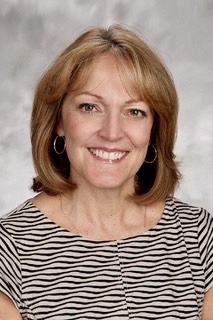
 Writer Leslie Cox